Showing posts with label Prehistoric language. Show all posts

Friday, 9 March 2018

Straight to the point- Lithic assembledge proves figuration topology.

Categorizing the assemblage from my site is a very daunting task, here are some initial results.

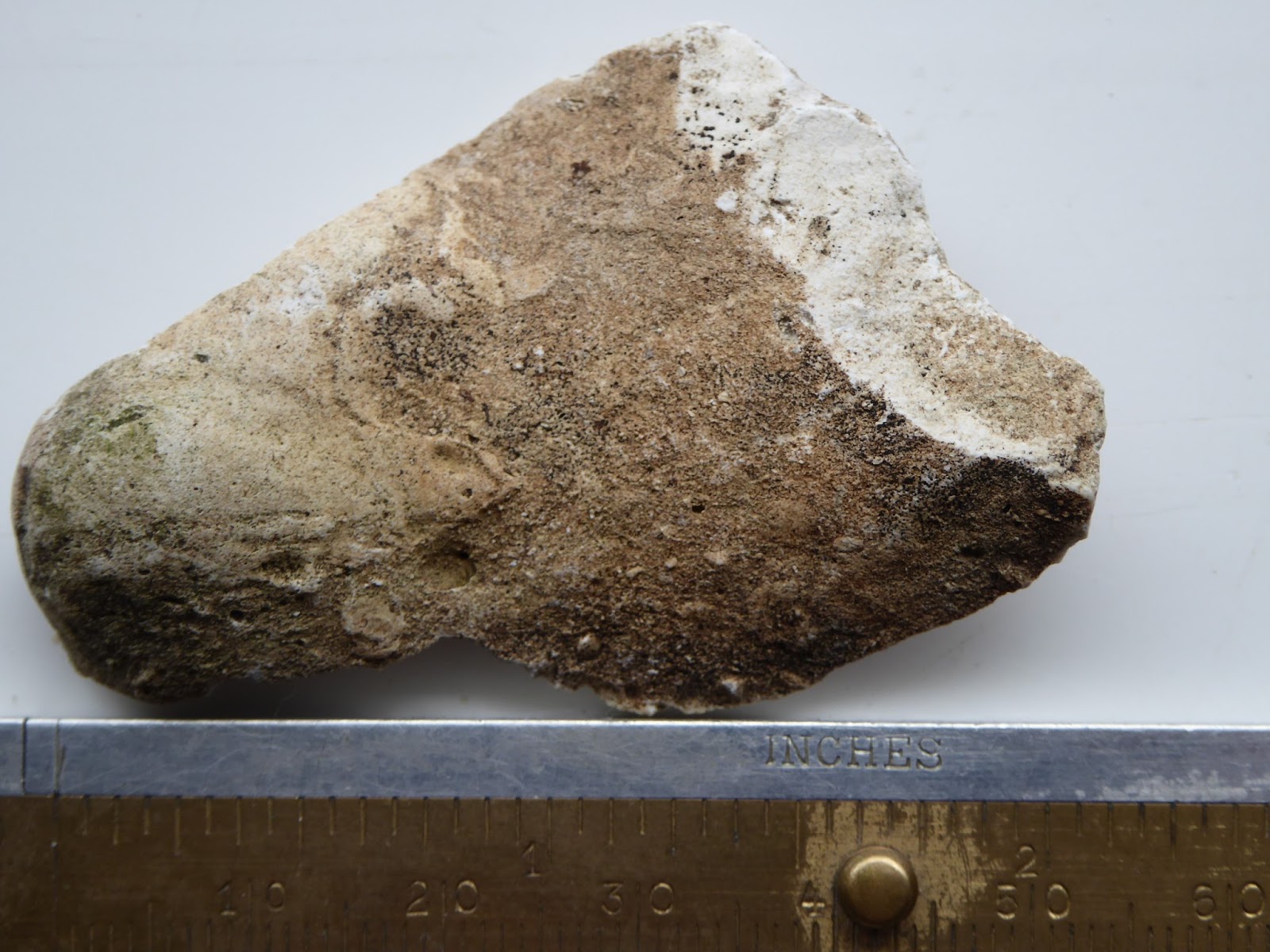
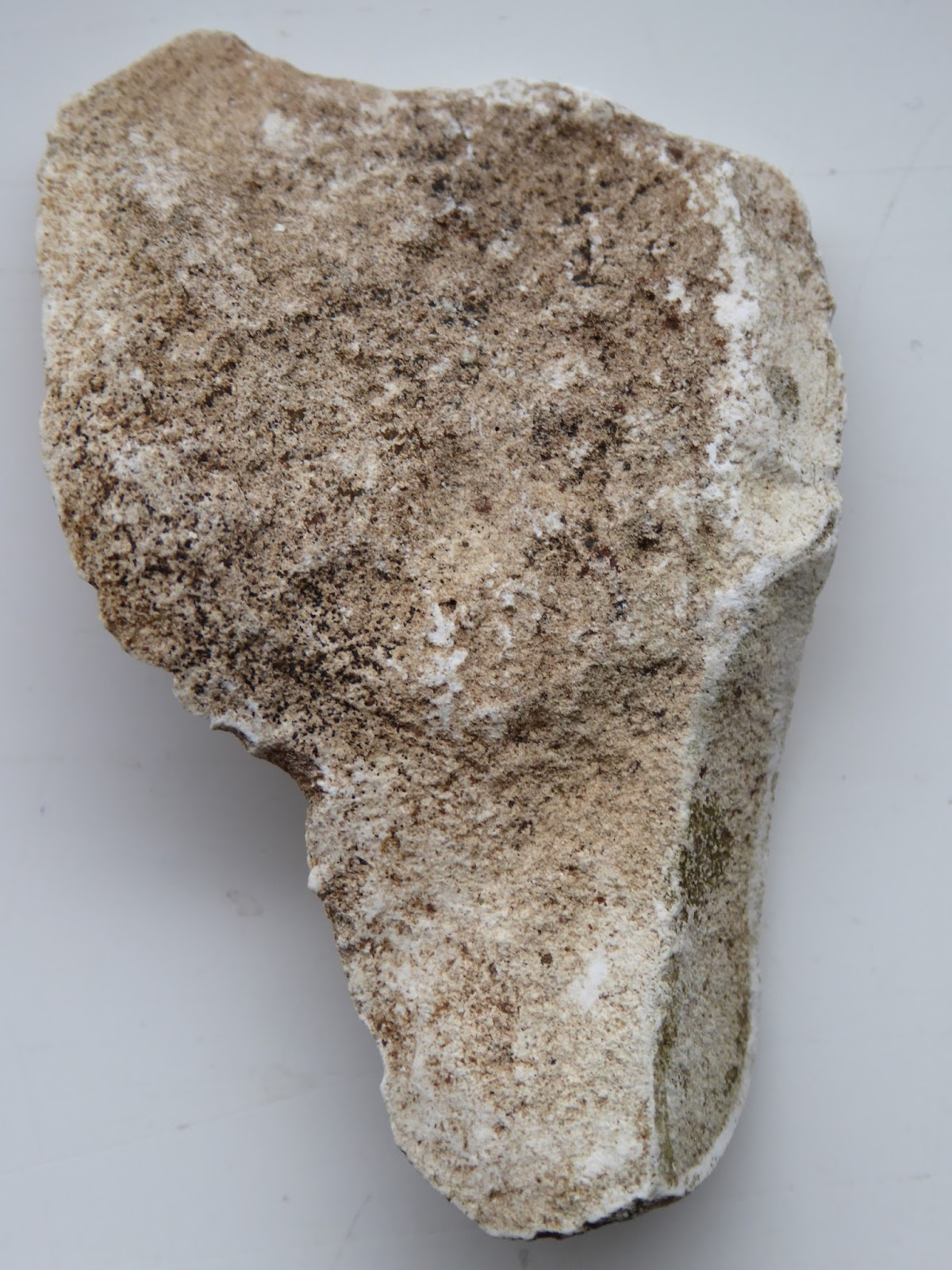
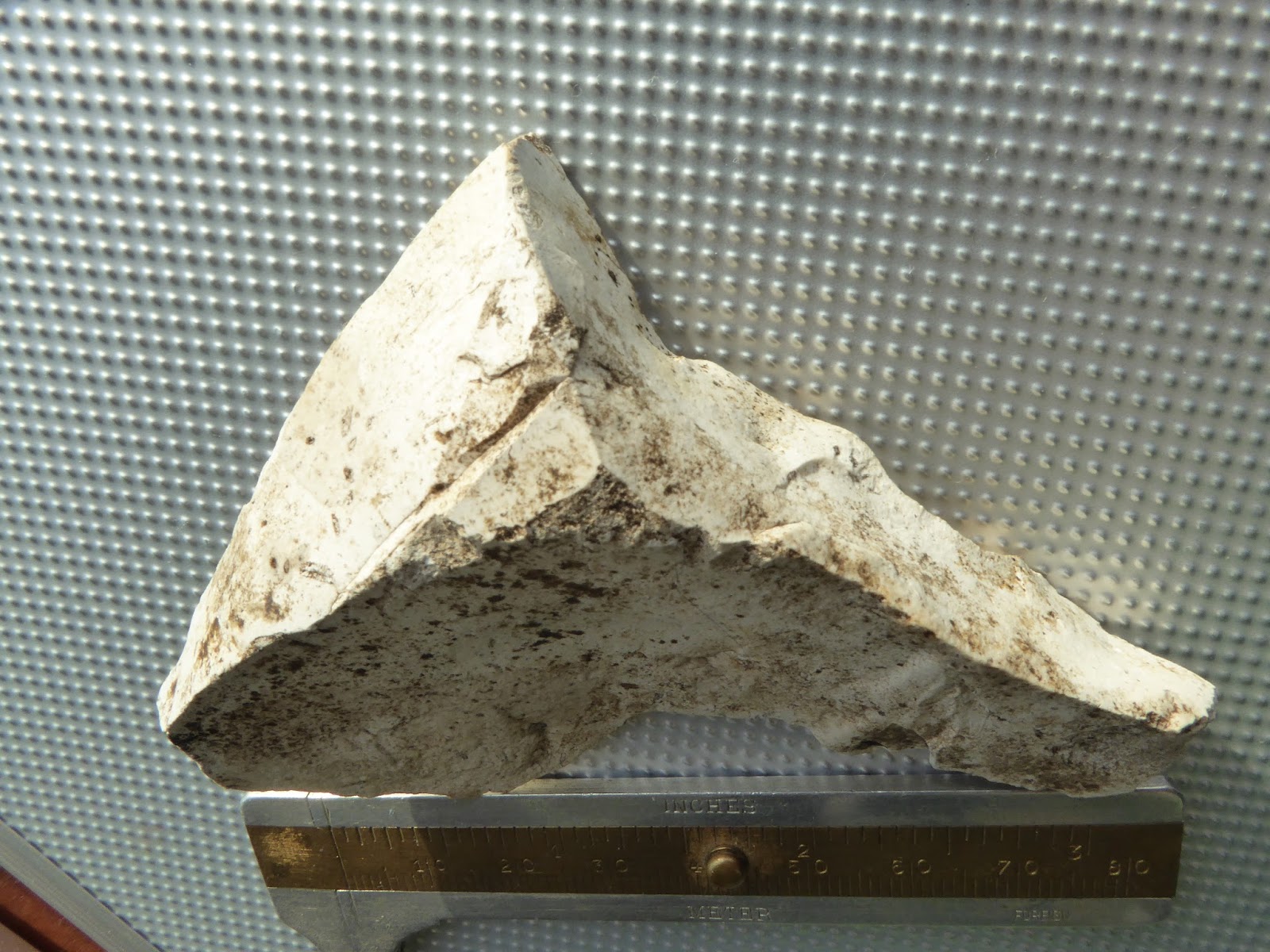
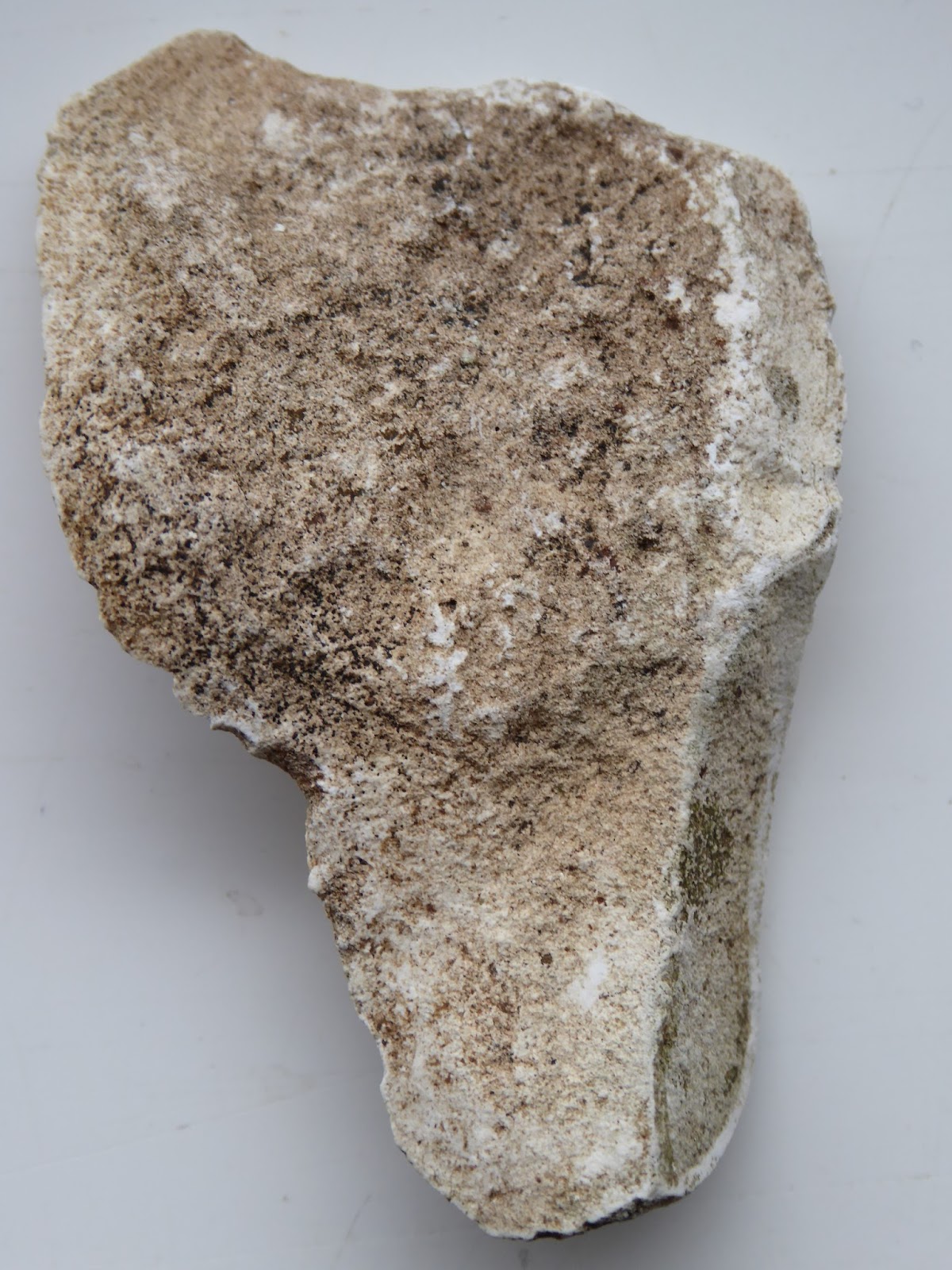
The pictures show worked finds from my site, points were selected and placed upright, then points with similar visual characteristics were placed alongside, to some degree.

Everything is worked, all bar one are flint, the vast majority of the stones qualify as blade tools.

Statistics can be produced on qualifying features of any recognized topology.

This is not the whole assemblage of points from my site, as more are added better topographical data will only add credence to some quite obvious findings.


What topology? if he says 'points'...I'll BL^%&Y K%&L HIM!  
  
I cannot as yet give you any accurate statistics, much more work needs to be done, but here are some common qualities to look out for at the tips of the points:

Double chevrons,  chevrons, inverse Y shapes, marks, chips, spots, sculpted bobble shapes. 

Proof of a topology of shapes incorporated into the tips of the points.

Suggested interpretation:- hooded and cloaked figure. 


Wednesday, 20 December 2017

Portable Rock Art - Foot Prints?

 This foot print shaped flint find is in a similar style to these two flint artworks also from my find site. These thin flake sculptures show possible signs of painting (the white areas) and are quite small, this one being just over 2.5 inches toe tip to heel.


Figuratively foot, leg and boot like descriptions can be found in figure stone or portable rock art pieces, see the post Portable Rock Art - Flogging a Dead Horse?  many of the head profile descriptions can be flipped over to describe a foot or boot. This foot print shape also adds more evidence that ordinary humans were responsible for these artworks.  

Wednesday, 29 November 2017

Prehistoric Language Decoded - Proof

You may have read my post a little while back Figure Stones - Simple Genus, where I suggested how prehistoric language had evolved into a simpler form. Here is a find from my site that is so concise and accurately carved with such visible single minded intent, that I suggest it is absolute proof.  All the common glyphs are easily created with this flint tool in the most practical and efficient way, this time no archaeologist has the excuse of 'I cant see it', unless of coarse they are in fact blind.

Further more this find links straight into Anatomical Modern Human culture and written symbolic language  and art.
 
If you are new to figure stones these two posts should bring you up to speed:-

Eoliths, flint tools and figure stones.
Figure stones Mystery solved? Unlikely!

How do we know it was humans that used these items?

Quite Simply, it's woven into the very fabric of our culture throughout history.

1. Figurative art - Humans are the only species proven to have created figurative art. There is no evidence that our closest cousins the Neanderthals or Denisovan created any pictorial descriptions of any kind, nor any other creature on the planet for that matter. 

2. Consistence - These objects were in use for vast amounts of time and there is consistency in the art style and topology of the descriptions. Half, full side on and head profiles were used in this art form, which I have traced back as far as the cretaceous period. Even the Egyptians used these conventions in there wall paintings and hieroglyphs.  So the same art conventions were in use for millions upon millions of years.

3. Optical illusions - I'm not talking about anamorphic art or seeing things here, the point I want to get to is the combining of two or more images to create a single image that depicts each of the subject matters. This is quite a hard thing to archive , and the 'engine' for such images in prehistoric times was practicality and efficiency. Practicality from the stand point of - why carry ten stones to say ten things, and efficiency - why carve two images when a slight addition to one image covers both descriptions. This kind of optical illusion can be seen throughout my entire artwork collection, has only ever been used by humans and can be seen in much more recent prehistoric artworks known to be made by humans. See :- Duncan Caldwell's Page

4. Cognition and Skills - Fine sculpture, complex cognition the use of pigments and paint in the time of the dinosaurs (although who actualy knows when that was), come on people!, it can only be us!, paleo anthropology is completely busted. There is no observable evolution in our cognition or artistic skills for millions of years., what is observable is actually a simplification over time of the art used in the creation of prehistoric visual communication devices.

5.  Gönnersdorf Venus Figurines -  These so called 'Venus' figurines were carved around 15000 years ago by Anatomically Modern Humans. These are not Venus figurines at all, although there is evidence that a symbolic representation of the female form is being used, they are in fact the simplification of prehistoric visual language, with all the glyphs molded into an almost nondescript simple shape. This is exactly the same shape common in figure stones, except usually with many more details. Even the flint knife found in the 4000 year old grave of the Amesbury Archer has this symbology worked into it. See :- Don's Maps

6. The Written Word - As far as visual communication goes, It all makes perfect sense, figure stones to hieroglyphs to the first alphabets, a continuity in the art of visual communication. See :- Is Sinai 361 a Figure Stone?

The Flint Tool that puts it simply.

In this plate flint cleaver/chopping tool many palaeolithic glyphs can be seen, only in a very simplified format, others that have the same basic shape and combined motifs in the same locations can be seen here and here. To use these items prehistoric peoples held them aloft and pointed to the designated eye feature of the chosen subject matter, in some cases where eye features are shared the tool was likely animated to give more indication of the correct creature motif to be communicated. (Flapping motions for birds, strutting motions for gorillas)


 Above: Two painted eye symbolic representations can be seen. Suggested motifs are human, hominoid and bovine.

 Above: Elephant motif to the left. Notice the perfect right angle bottom right, and parallel line to the left.

Above: Two painted eye descriptions can be seen on the white surface to the right of the stone. The upper painted with an unknown substance the lower with ochre.

 Above: A phallic glyph is shown.

 Above: Gorilla strut to the right probably also doubles as a bear front half glyph.
(Use the lower ochre eye description)

 Above: A pointing hand, finger or thumb description is show leftwards. 
(Note the chip to create the symbolic nail) 

Above: A horse head glyph is shown rightward.

Monday, 3 April 2017

Figure stones, Mystery solved? Unlikely!

Some very interesting observations of mine through my journey into the truth behind the figure stone phenomena has lead me to some quite interesting conclusions.

Here are some observations based on interpretation of figure stone motifs:

Gorillas, apes and monkeys were all present in Southern England.
Ancient Humans in Southern England were clothed while apes and elephants etc. were present.
A verity of Hominids were present alongside ancient Humans in Southern England.
The sculptors of figure stones were highly intelligent.
The sculptors of figure stones were very skilled artists and flint nappers.
Tortoise and dinosaurs were present at some point during the history of figure stone usage.
Figure stones were in use across vast periods of time.
Figure stones have common conventions and motifs that ignore current continental boundaries.
  
Large scale observation of such finds and investigation conclude that this is the most vibrant and detailed historical account, capturing artistic interpretations of creatures from our ancient past. A stratified collection of figure stones would be an amazing window in to the creatures, environment, and hopes and fears of some very ancient artists.

Undoubtedly portable rock art finds can be recovered preserved in ancient strata, or rolled and warn from gravel pits, beach and riverbed finds, again suggesting great antiquity. Making observations through the fossil record and applying them to interpretations of creature motifs would also suggest great age to many finds.

Repeating practices such as poly-iconic artworks, motif combination, iconic convention (head, or half body side profiles.)  individual motif ubiquity, pigment usage (ocher, tar), material usage (flint in my finds), working techniques, tool fashioning, shape topology,  statistical and probability analysis proves beyond any doubt the validity of my figure stone finds as ancient works of art.

The world wide picture brings more interesting observation, motif combinations, iconic convention, and motif ubiquity, these suggest a past where prehistoric peoples spanned much of earth using stone artworks to communicate ideas, suggestions, observations, or instructions. Such observations also imply a recorded link between prehistoric peoples of great antiquity, that of figurative communication, common convention and motif usage .

Here are some conclusions drawn from common theory vs figure stone investigation:

Out of Africa, according to the 'official' time line --- false
Emergence of apes, and such in Africa by the 'official' timeline --- false
Mans emergence circa 200kbp --- false
The worlds oldest figurative artworks were created 40kbp --- false
Divergence, human-gorilla split 10 million years ago --- false
Ape emergence 25-30 million years ago --- false
Highly intelligent and artistic peoples separated  in time from the dinosaurs --- false
Current mainstream paleo-anthropological theory --- false

It's worth considering that one genuine out of time find would be compelling evidence that all human anthropology in terms of evolutionary study is entirely false. The blog posts of some of my finds are evidence of just such a scenario. Is it any wonder that Archeologists that were paid millions of pounds to carry out there investigations in Africa would be unwilling to accept there findings as entirely false? Ergo, the same Archaeologists would not accept evidence that totally disproves there work and theories? Of course that would be entirely unscientific of them.

The problems with interpretation of figure stone motifs is that we can never be entirely certain that what we see is an artistic attempt at what we have interpreted, however the more accurate a likeness and the more of the same likeness we have, the more confident we can be in our interpretations. As an example below I have included an interpretation of a creature motif shown in these two finds, these are two out of three I have showing the suspected creature, which is hardly conclusive, unlike my elephant and ape interpretations.

 Above: A head profile shape can be seen facing left in the top right of this flint tool, complete with eye, ear, muzzle and mouth, the mouth is just above and to the right of the fossil sea shell.

 Above: A very similar head profile shape can be interpreted from the picture above this, facing left.

Despite the shape and feature likeness in the two stones above, another interesting thing can be interpreted -mushrooms. Both creature motifs could be interpreted as eating a mushroom, the fossil shell in the upper picture could be interpreted as showing a mushroom, and both are close to the interpreted mouth features of the creature motifs.

Both of the stones are worked and flake removal and shaping go beyond conventional attempts at creating cutting tools, so I would obviously suggest that flake removal and working is an attempt to create figurative likenesses, as both stones show many of these, and obviously that is what my entire figure stone collection shows, multiple motifs worked into single stones.

Above: An artistic impression of a Chalicotherium from Ark Encounter
More can be read in this Wiki.

Above: Another Artistic impression of Chalicotherium
Thanks to Dmitry Bogdanov.
As you can see the head profile of the above artistic impression very closely matches the image pointed out in the flint tool, and a reasonable likeness can be seen in the second flint artwork find. Chalicotherium was last believed to have lived some 3.6MYA and also known to be vegetarian, the purpose of the mushroom like shape perhaps?  However, this interpretation is not at all conclusive, even if both were accepted as intended artistic attempts at creating creature likeness impressions, the interpretations would be seen as subjective.

Thursday, 16 February 2017

Figure Stones - Simple Genus

The last post here on Eoliths was a highly complex piece of stone art, showing numerous face profiles, at least 5 bears, many hominids, many complete apes, more than one half canine, even half a tortoise and the good old elephant front leg glyph can be seen, I will compile a list at some point and share via my Google Plus.

This post is about the simple figure stone's or portable rock art finds, and how the proto language evolved into a much simpler form, well at least there is evidence that something in the prehistoric 'evolved', even if it was only communication.

 The next five pictures below are of the same flint find from my usual hunting grounds, there is just enough detail in the piece to make up nearly all of the most common glyphs, and even if details were missing, the outline may suffice to be of use to someone who was well aware of the communication technique.

Above: A simple bear head glyph facing right.

 Above: Another bear glyph right, and a horse head glyph facing left, note the white flint representing the mane and darkened muzzle area. 

 Above: The good old elephant and front leg motif, note how turning the stone 1/4 counter clockwise a simplified thumb motif can be seen pointing right.

Above: An ape face motif to the left, and a bird motif to the right. You may also notice a face likeness in the center of the stone.

 The YouTube video below shows a collection of some of those Indian Effigy Stones, these could all have been used in a very similar way, very briefly at 4:37 you will see the stone has a chip for a 'thumb nail' and is very thumb shaped. I am not of the opinion that Indians from there supposed occupational time line made these items, although that does not mean that Indians of a much earlier date didn't. If you are unaware of my views on the thumb motif refer to this post (Portable Rock Art - Rule of Thumb) I have added a picture or two since originally posting.

The Video above is provided by William Shira.

Tuesday, 14 February 2017

Portable Rock Art - Complex Cognition

By now many readers of Eoliths blog and collectors alike have managed to pick up the gist of this art form, and are able to read a good amount of the portable rock art common lexicon and convention, so it's about time I introduced some of my more complex pieces. These have many glyphs view-able from many angles, and are most often hominid based, showing an array of head profiles of ape like's and sometimes even sapiens sapiens face descriptions, or very close cousins. 

One thing I have noted is that these more complex figure stones quite often have a tesseract (an inverse tetrahedron) as shown in these two posts (Two Faced Figure Stone) and (Portable Rock Art - Elephant and Hominin). This piece, besides the many face profiles, has quite a few animal front half descriptions.

To get the most of this piece (well, what is being displayed) will take some effort, this time I will save on my writing and allow readers to decode the stone themselves. A few clues: not just basic shape is used as a canvas, light / shadow, pigment and fine detail were also employed.  Three different mammal front half's motifs can be found in a line, some hominid face profiles are stacked one upon another, at least seven can be seen, and if you spot the 'gnome' your probably a first class reader. You will also likely see things that I have not yet.


Tuesday, 27 December 2016

Wolf and Horse Portable Rock Art and Flint Tool

Another flint tool from my find site that shows the horse head glyph and possibly a double sided depiction of the Egyptian Jackal or African Wolf, I also notice the elephant and front leg motif is incorporated into the horse head, another convention noted in previous finds of mine. The blade or cutting surface of this flint tool is along the bottom of the figurative neck area.


Thursday, 15 December 2016

Rule of Thumb - Portable Rock Art Motif


Something I have been aware of for a few years is the Thumb motif found on my site and in other hand axes and blade tools. I have already shown a number of hand shapes in my poly iconic materials and perhaps there is a similar meaning to these icons. I have long suggested that these motifs are actually visual language devices rather than art per se. I have found many suspected thumb shapes from my find site and have seen others, both recognized and unrecognized both in flint tool form or just as worked stones. So what is the meaning of this motif? Many portable rock art finds contain images of hominids and apes, usually in head profile form, and there is a great variety of both, all of these motifs can be replaced by the thumb motif. So instead of carving various ape and hominid head profiles, prehistoric men could of carved a thumb shape to indicate all, allow me to explain a little further. One of the unique features of hominids is opposable thumbs, so this motif would cover all hominids. On a double sided piece direction of travel could be easily indicated, furthermore when the piece is turned upside down this could indicate all apes and monkeys, as the thumb would be in the position it is on monkeys hands rather than the natural position it is in on the hands of humans and hominids.
This is a Flint hand Axe found in Kent Uk, a thumb shape and nail can be seen. Source: www.stoneagetools.co.uk 

Below: A selection of 3 thumb shapes found from my find site, The top one is also a blade tool.


Below another one of my UK thumb finds.
 

The Two Flint tool finds below were both found in North America and Both show the Thumb Motif.

Picture Lost somehow? empty space deleted 13/10/2021

From Ebay, another combination elephant half and thumb motif.

Below: From my find site here in the UK, another combination thumb and elephant front leg motif.

Below: The images to the left are drawings of an eolith, recovered from layers dated to at least 2 million years old. Again elephant half and combined thumb motifs can be seen.


Is this neolithic? polished hand axe carrying comparatively modern traces of figurative art?
Image source: The British Museum, link has further details about the find.

USA stone below: The bottom picture also shows the Elephant and front leg motif, thumb shape and claw.